





The Greater London Authority (GLA) reports on the West London electricity infrastructure squeeze and makes nine recommendations.
In 2022, the GLA faced a significant challenge when parts of West London’s electricity grid reached capacity, delaying new developments and raising concerns about future growth.
By November 2022, 19 developments, comprising around 5,300 homes, awaited connection. The GLA collaborated with partners like National Grid and Ofgem to implement short-term solutions and reform connection management. By early 2025, these efforts facilitated connections for over 12,000 new homes.
However, long-term concerns persist about the pace of upgrades and their impact on local growth, jobs, and housing.
The rise of large data centres in West London has intensified competition for limited power, slowing development and increasing costs. The Committee launched an investigation to address these challenges and ensure London’s energy infrastructure supports economic growth.
As the city moves towards net zero, electricity demand will rise, making grid capacity crucial for connecting new homes and supporting businesses.
The investigation highlighted differing levels of confidence between councils and the energy sector regarding grid constraints. To support London’s growth, the GLA, Government, and energy sector must address these challenges and ensure infrastructure development aligns with housing and economic needs. The Committee made nine recommendations:
- Recommendation 1: The National Energy System Operator (NESO) should include the GLA and London Councils on the London Regional Energy Strategic Plan board.
- Recommendation 2: The GLA should ensure all London boroughs complete a Local Area Energy Plan (LAEP) to inform local plans and energy infrastructure needs.
- Recommendation 3: The GLA’s Infrastructure Coordination Service should hold regular meetings with neighboring authorities.
- Recommendation 4: The GLA should publish its data centres forecasting project results promptly, without waiting for the London Plan’s evidence pack.
- Recommendation 5: The Government should introduce a separate use class for data centres.
- Recommendation 6: The GLA should include a data centre policy in the next London Plan to strategically manage their development and energy impacts.
- Recommendation 7: The GLA should require energy demand assessments for large energy users, like data centres, in the next London Plan.
- Recommendation 8: The GLA should mandate future data centres to contribute to heat networks where appropriate, in line with national regulations.
- Recommendation 9: Ofgem’s heat network Market Framework should protect consumers, especially low-income ones, through regulated price benchmarks.
- Recommendation 10: The Mayor should accelerate retrofitting of social housing and key social infrastructure to reduce exposure to higher energy costs.
Addressing these recommendations is crucial for ensuring London’s energy infrastructure can support its growth and housing needs, while also moving towards a sustainable future.
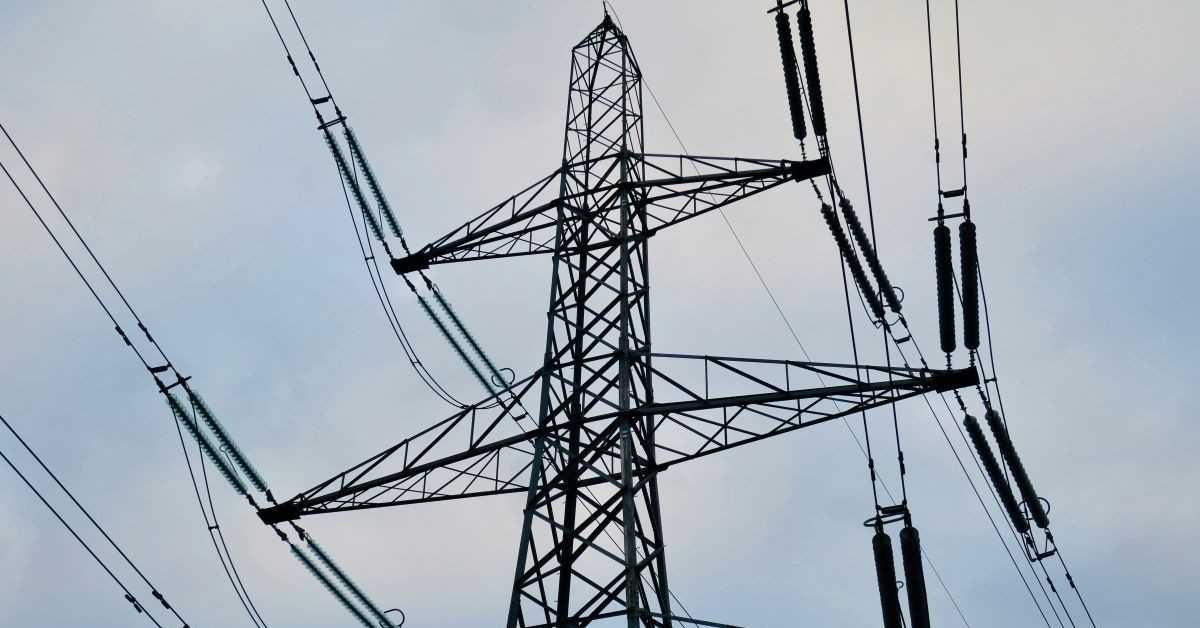
Photo by Rose Galloway Green on Unsplash
© London West (powered by ukpropertyforums.com).
Sign up to receive our weekly free journal, The Forum here.