











Hounslow Council has approved its first Climate Change Resilience Plan to help the borough prepare for and adapt to the growing impacts of climate change.
The plan is a key part of the Council’s Climate Emergency Action Plan 2026-2030 and aims to protect vulnerable residents, strengthen essential services and infrastructure, and support communities facing more frequent extreme weather.
Shaped by engagement with residents, staff and resilience partners, the plan focuses on practical action to address risks such as heatwaves, flooding, storms and rising temperatures. It recognises that older people, disabled residents, young children and lower-income households are often most exposed to climate-related harm and least able to recover, so reducing inequality is central to the approach.
The plan sets out measures to improve flood preparedness, expand greening and shade in public spaces, strengthen support for vulnerable people during heatwaves, and build climate resilience into new developments and infrastructure. It also aims to improve emergency preparedness, help businesses and organisations adapt, and embed climate adaptation into council decision-making and services.
Councillor Salman Shaheen said climate change is already affecting the borough and that the Council must protect residents and prepare for worsening conditions. The Council says the plan will also help create healthier neighbourhoods, improve quality of life and support inclusive, sustainable growth. Approved following workshops and a public consultation, the strategy forms part of Hounslow’s wider commitment to a greener, fairer and more resilient future.
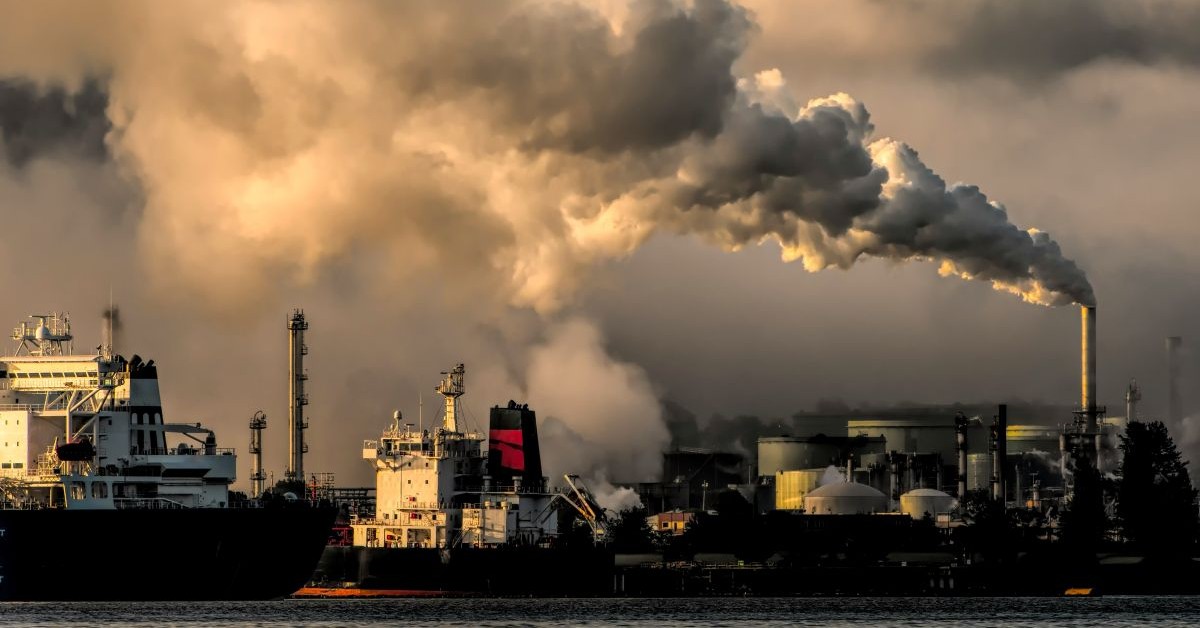
Photo by Chris LeBoutillier on Unsplash

© 2026 UK Property Forums. All rights reserved.
This article and its contents are the intellectual property of UK Property Forums and may not be reproduced, distributed, or used in any form without prior written permission. The views expressed are those of the author(s) and do not constitute legal or professional advice.