











Imperial College London has launched a new sustainability strategy to make the university a global benchmark for campus sustainability.
Leaders say universities have both the skills and responsibility to help society respond to the climate and biodiversity crises through evidence-based solutions, collaboration and innovation.
The strategy has two main goals: minimising Imperial’s environmental footprint and maximising its positive handprint. On the footprint side, Imperial aims to reach net-zero direct carbon emissions by 2040, with an interim target of a 25 per cent reduction by 2028–29. It will also address indirect emissions from travel, procurement and digital systems, while improving energy efficiency, expanding heat pump adoption, adopting lower-carbon travel, reducing waste, and increasing sustainable food, drink and campus greening.
On the handprint side, Imperial wants to strengthen its contribution to a sustainable future through education, research, innovation and partnerships. Plans include developing sustainability-literate graduates through the Class of 2030 initiative, expanding lifelong learning, growing the School of Convergence Science’s Sustainability theme, and supporting programmes such as Undaunted and the Imperial Zero Index.
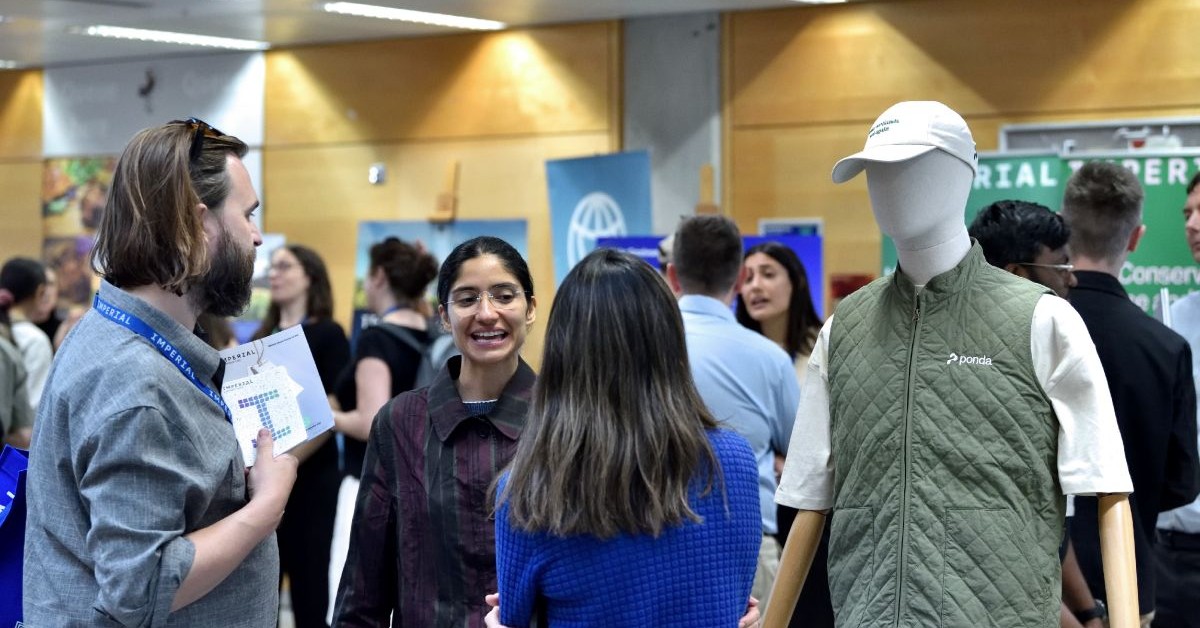
The strategy highlights current projects already underway, including fossil-fuel-free building retrofits, large-scale solar installations and the use of seaweed-based packaging from Imperial alumni company Notpla across campus food outlets. It also showcases entrepreneurial collaborations such as Ponda, whose plant-based textiles are being developed with support from Imperial and will feature in a new branded clothing line.
Speaking at the launch, Professor Hugh Brady, the President, said Imperial can lead by example and help turn emerging technologies into real-world impact. Associate Provost for Sustainability Professor Anna Korre said the plan was shaped by extensive consultation and will be delivered collectively by students, staff and the wider community.
Photo and content © Imperial College London.

© 2026 UK Property Forums. All rights reserved.
This article and its contents are the intellectual property of UK Property Forums and may not be reproduced, distributed, or used in any form without prior written permission. The views expressed are those of the author(s) and do not constitute legal or professional advice.