










East Sussex and Brighton & Hove have published their first Local Nature Recovery Strategy, a plan to reverse biodiversity decline by guiding where and how to restore habitats and wildlife.
Shaped by the knowledge and views of more than 2,000 local people, the strategy sets out eight principles, 24 priorities and over 100 practical actions to benefit both nature and communities.
The plan recognises that nature supports key parts of the local economy, including farming and tourism, while also helping with health, wellbeing, flood risk and water quality. It identifies measures for farmers, residents, community groups, and organisations to improve habitats and connect wildlife areas where they will have the greatest impact.
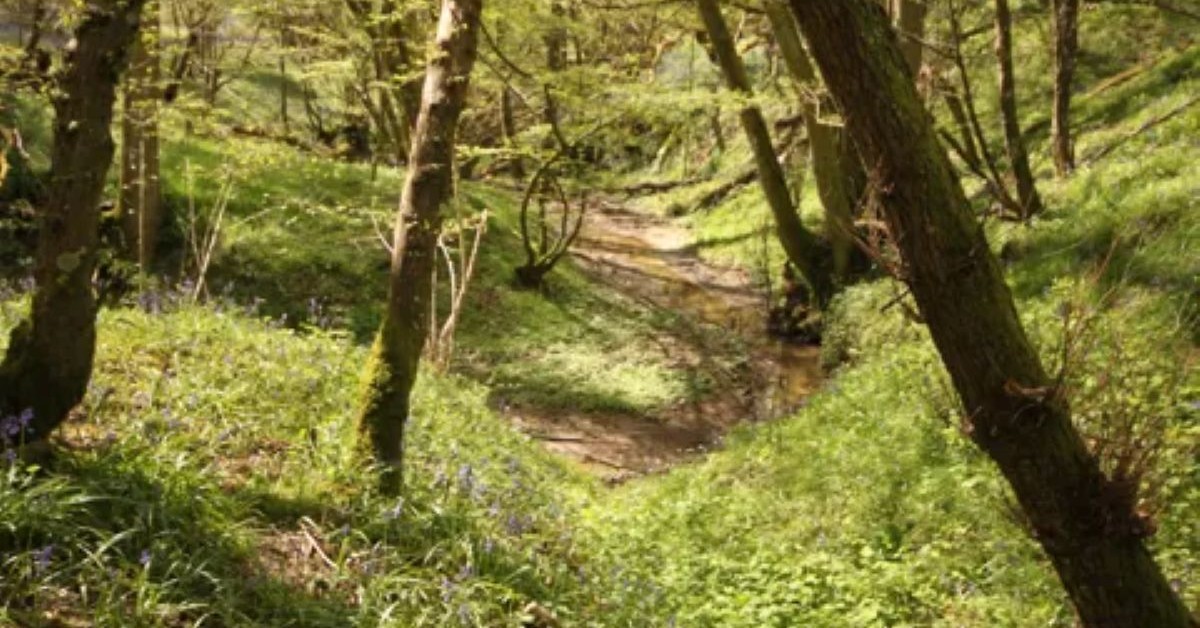
Examples include improving sand dune habitats such as Camber Sands, which are considered irreplaceable and among the most at risk in Europe. The strategy also highlights the urgent need to protect water voles, whose numbers have fallen sharply across Britain and are now critically low in East Sussex. The strategy proposes better bankside management and wetland creation in areas such as Pett and Rye Levels and Lewes Brooks. Woodland and hedgerow management could support the hazel dormouse, while better connected habitats may help the grey long-eared bat.
Cllr Peter Griffiths said the county’s natural heritage is exceptional, pointing to its Downs, rivers, woodlands and internationally important wetlands. He backed the strategy’s aim to increase native species and improve rivers and seas. Natural England’s James Seymour described the publication as a major milestone that reflects collective effort and provides a framework for more joined-up action and sustained investment. The strategy now moves into implementation across Sussex.

© 2026 UK Property Forums. All rights reserved.
This article and its contents are the intellectual property of UK Property Forums and may not be reproduced, distributed, or used in any form without prior written permission. The views expressed are those of the author(s) and do not constitute legal or professional advice.